Dr Akhil Raj

A leading neuroscientist and author, Dr. Raj specializes in neurodiversity and the interplay between gut health and neurological conditions.
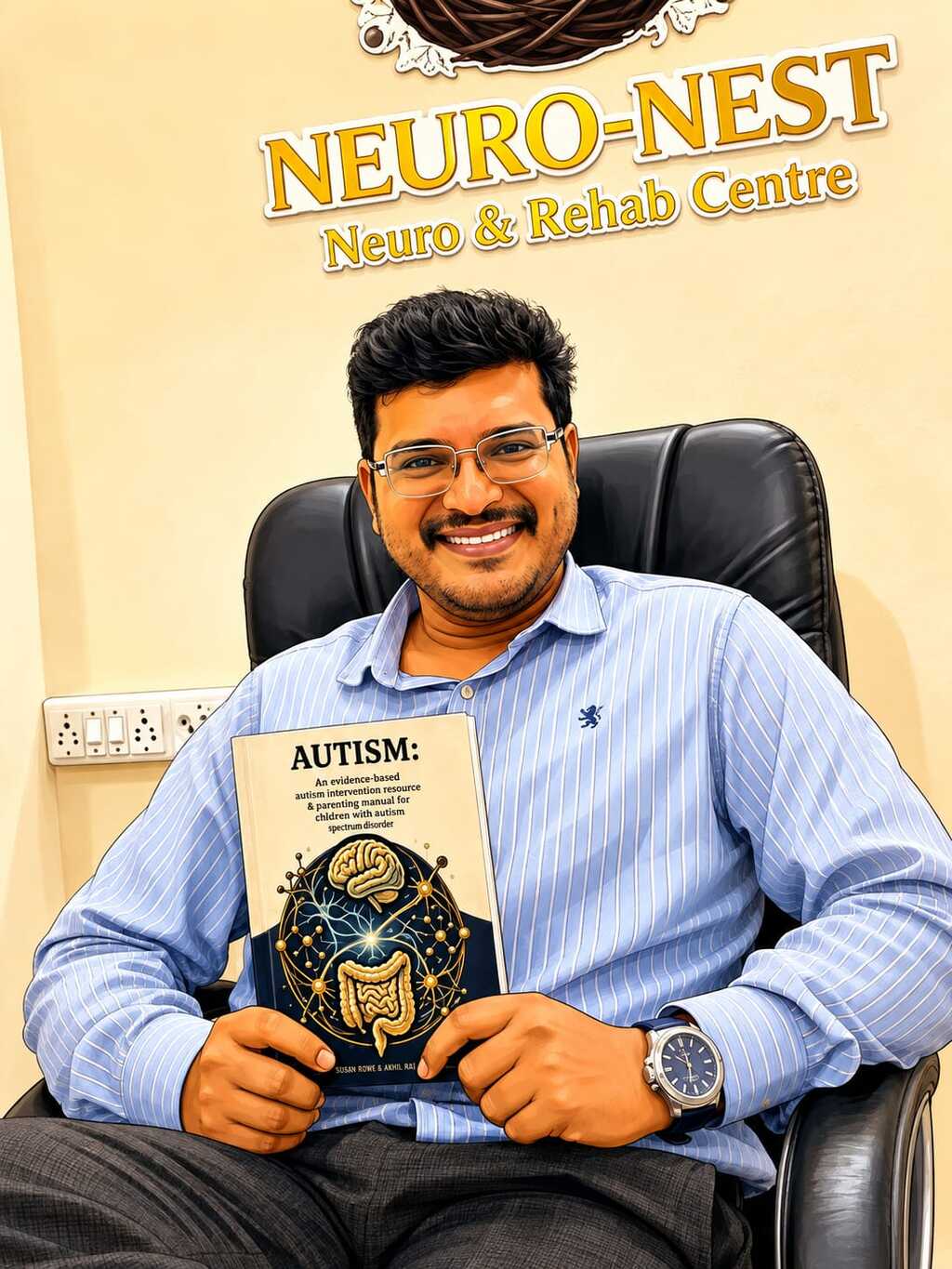
Dr. Akhil Raj

As a leading neuroscientist, Dr. Akhil Raj specializes in neurochemistry, focusing on gut health and its impact on neurodiversity.

Innovative Research

With over 15 years in the field, Dr. Raj challenges traditional approaches to neurological conditions through his pioneering research and publications.

Publications & Insights

Dr. Raj has authored groundbreaking works that offer new perspectives on autism and healthy aging, bridging the gap between mind and body.

Dr. Akhil Raj,  Head of Department (HOD), Neurodiversity Clinic, Nonpareil Organisation 


Educational & Clinical Qualifications: Dr. Akhil Raj completing his MBBS in 2010, is a distinguished medical professional and neuroscientist with advanced clinical training and a deep commitment to integrative neurology. Dr Akhil Raj  is a distinguished neuroscientist, biomedical researcher, educator, and author dedicated to bridging the gap between advanced neurobiology and holistic wellness. Operating primarily with Nonpareil Organisation, Dr Akhil Raj serves as the Head of Department and Research Head at the Neurodiversity Clinic within the Nonpareil Centre for Neuro & Psychosomatic Development and its partners. He is also managing the Guru Nanak Nav Bharat College and School of Nursing. Building upon specialized training certifications in Autism Spectrum Disorder from University of California Santa Cruz, USA and Medical Neurology from Duke University, his clinical and academic focus champions a biological, root-cause approach to neurodiversity and systemic healing. By synthesizing research across gastroenterology, biochemistry, and immunology, he investigates the physical "hardware" of the human body, with a profound emphasis on the gut-brain-immune axis.

  • Specialized Certifications: Duke University (2023): Completed advanced medical training certifications in Medical Neurology  and Autism Spectrum Disorder from University of California Santa Cruz, USA, further bridging the gap between traditional neurodevelopmental models and cutting-edge biological interventions. 

Clinical Focus: Drawing on over 15 years of rigorous academic and clinical experience, Dr. Raj utilizes his extensive background in neurochemistry and neurosurgery to challenge static behavioral models of neurodiversity. By investigating the physical "hardware" of the human body, he pioneers integrative protocols that address gut dysbiosis, systemic inflammation, and neurological restoration.


Authored and Co-Authored Books

Dr Akhil Raj has authored and collaboratively published an extensive bibliography of pioneering medical and educational texts that challenge traditional static and symptom-management models
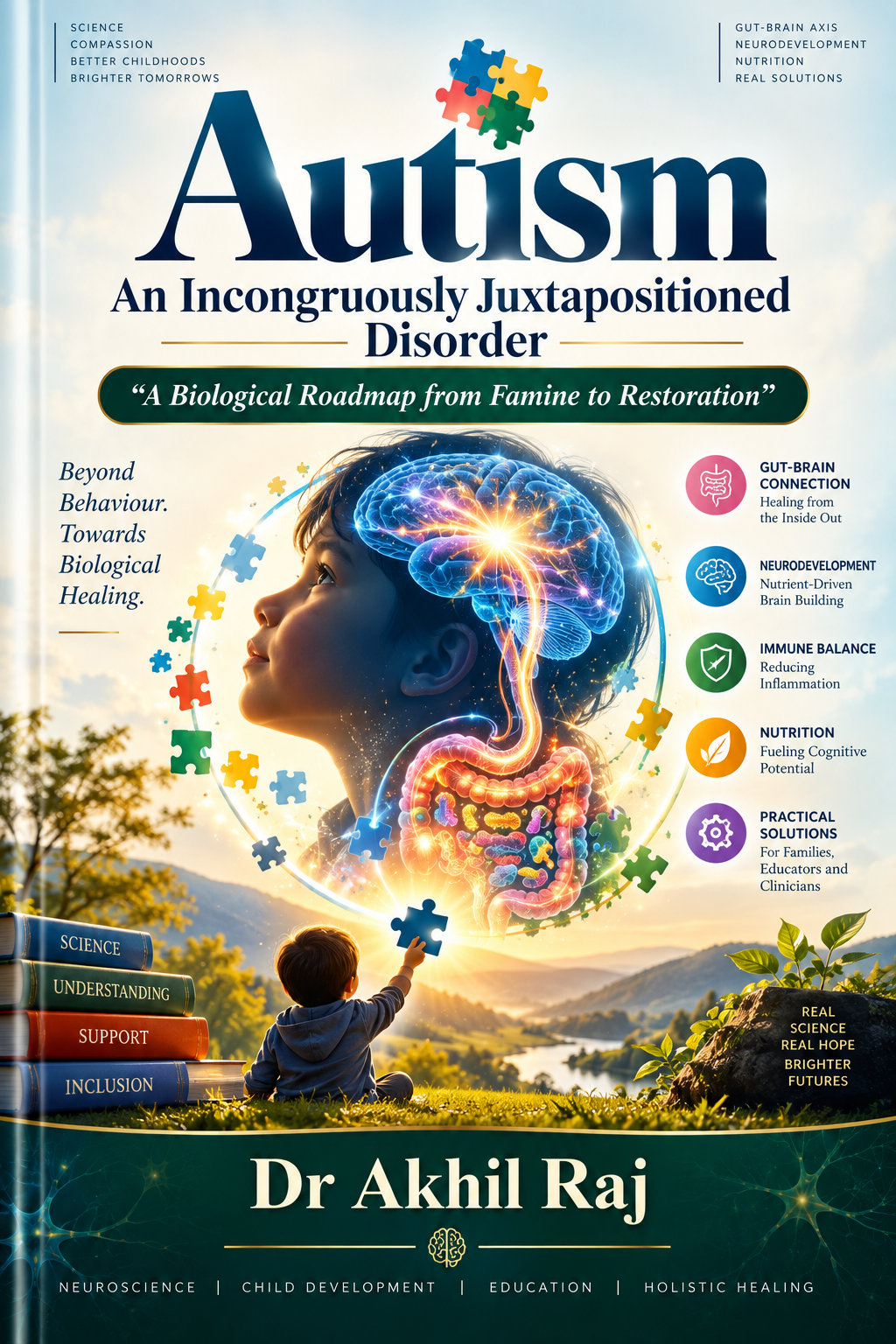
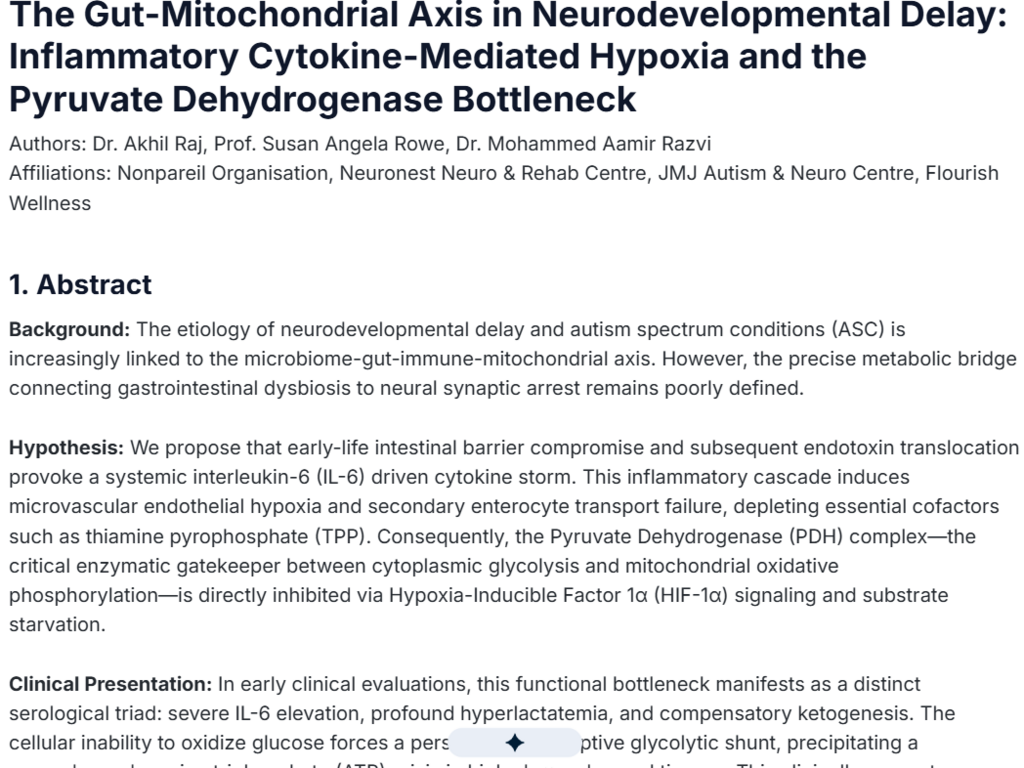
Autism: An Incongruously Juxtapositioned Disorder

Autism: An Incongruously Juxtapositioned Disorder by Dr. Akhil Raj challenges the foundational understanding of neurodivergence, moving away from traditional behavioural "software" models to expose a profound "hardware" reality. This groundbreaking book reframes Autism Spectrum Disorder (ASD) not as a static genetic destiny or a "broken" brain, but as a dynamic biological cascade that begins in the microscopic ecosystem of the infant gut. 
 
At the heart of the book is a tragic "incongruous juxtaposition": children who are calorically well-fed yet cellularly starving. Dr. Raj meticulously traces how early-life microbial disruption ignites a systemic inflammatory fire, destroying the gut's ability to absorb vital nutrients. This biological famine starves the developing nervous system, leaving neural wires stripped of insulation, halting the production of essential neurotransmitters, and trapping the child in a chaotic survival loop governed by primitive infant reflexes.   


Rather than punishing children for their biological limits or merely managing behavioural symptoms, this book provides a roadmap from cellular famine to physiological restoration. It offers profound hope and actionable healing strategies to extinguish the fire in the gut, rebuild the biochemical supply chain, and give the physical body the hardware it needs so the brilliant mind inside can finally emerge.   

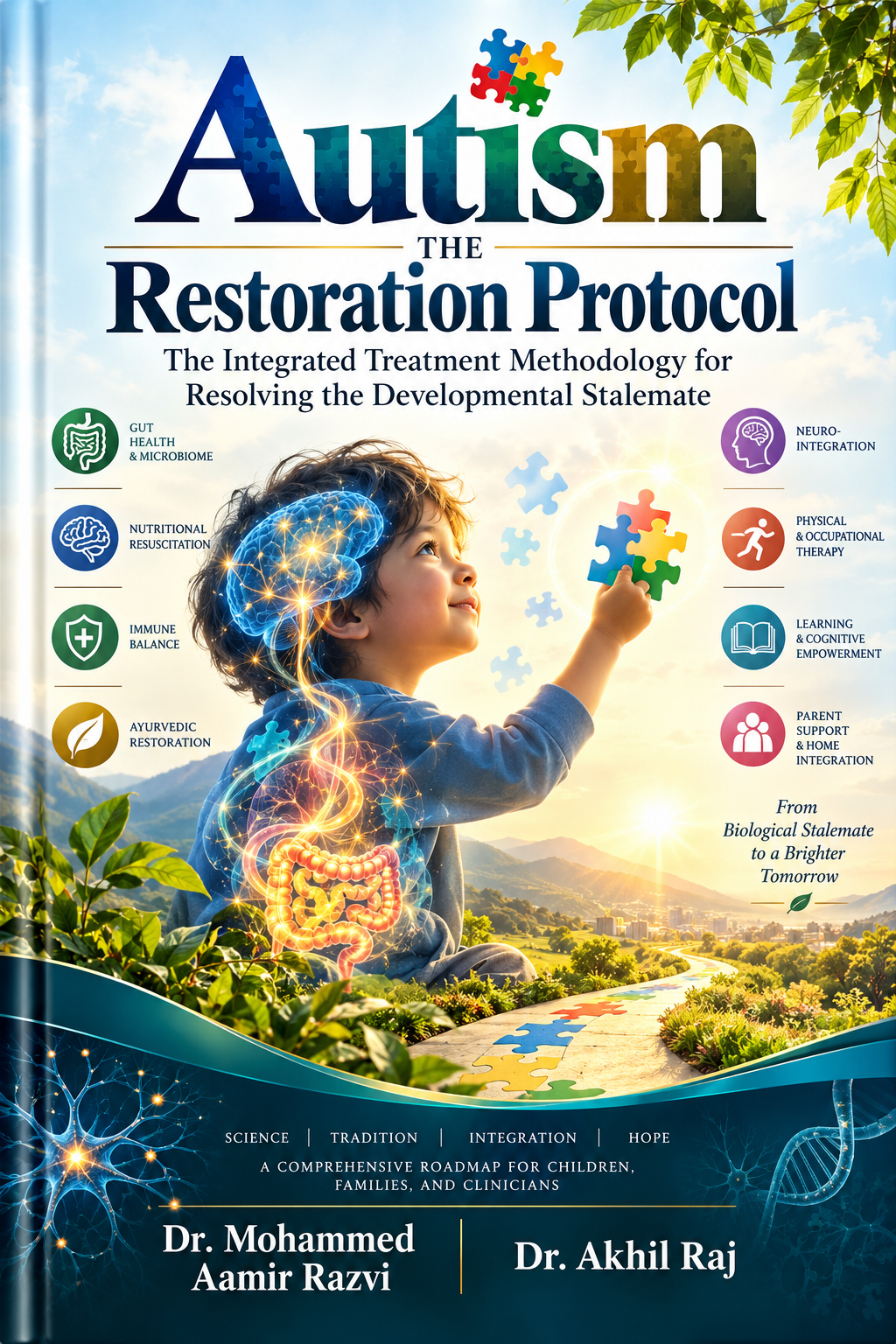
Autism: The Restoration Protocol

Autism: The Restoration Protocol by Dr. Mohammed Aamir Razvi and Dr. Akhil Raj offers a groundbreaking, actionable clinical roadmap that moves beyond traditional behavioural symptom management. Building upon the revelation that autism is a biological cascade originating in the gut, this comprehensive manual addresses the "Developmental Stalemate"—a state where the brain is trapped in a primitive survival loop due to cellular famine and systemic inflammation. 
 
The book pioneers a historic convergence of modern biomedical research and ancient Ayurvedic wisdom, specifically targeting the Mano Vaha Srotas (the subtle channels of the mind). It guides clinicians, therapists, and parents through a structured, four-part methodology: conducting a precise biological audit, deploying targeted Ayurvedic therapeutics to repair the intestinal border, utilizing physical therapies to integrate retained primitive reflexes, and empowering families with dopamine-driven, low-cortisol home integration strategies.   


Ultimately, this protocol is not about changing a child's identity; it is about clearing the biological smoke, extinguishing the fire in the gut, and providing the physical hardware and neurochemical fuel they desperately need so their true intellect and potential can safely emerge.   

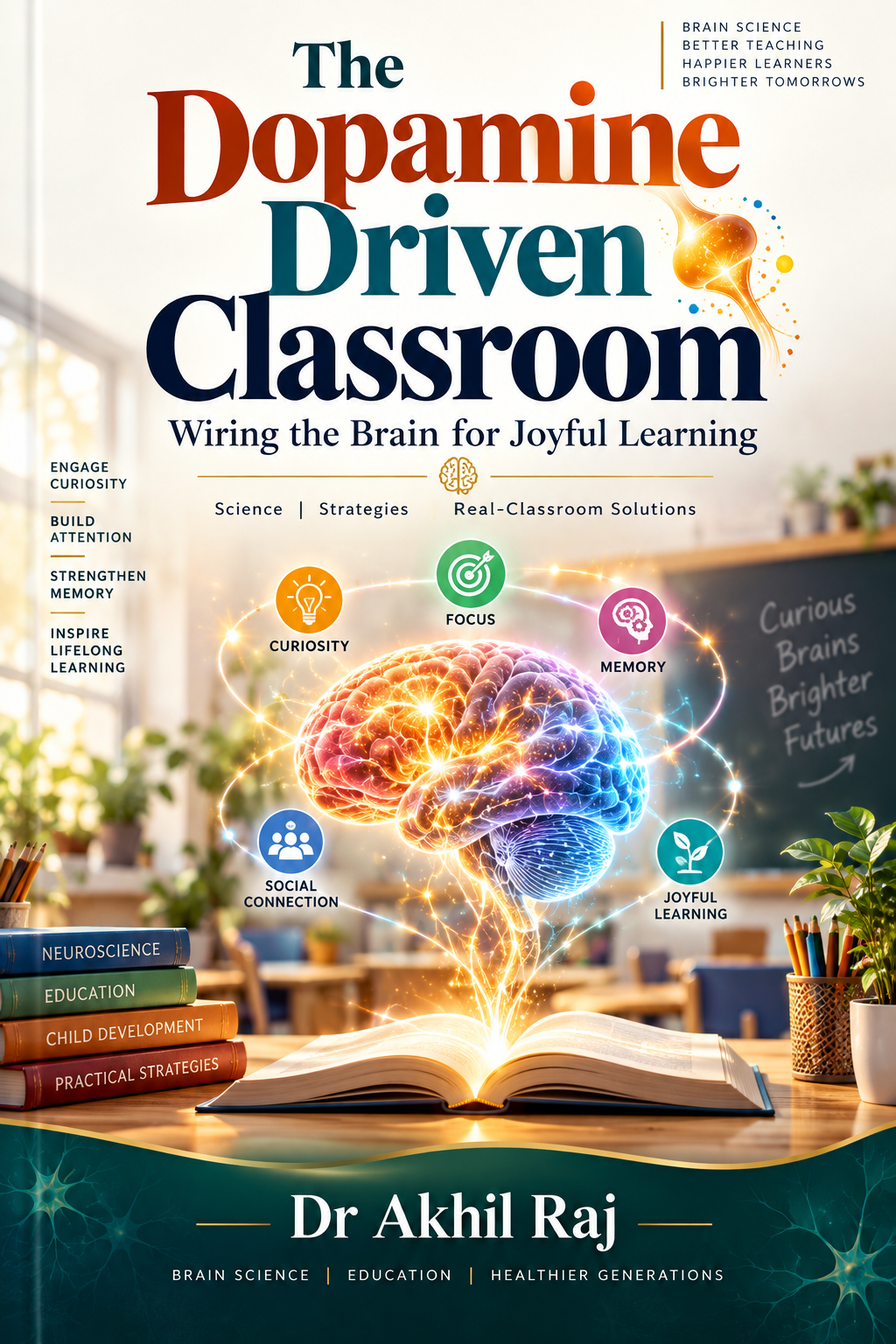
The Dopamine-Driven Classroom: Wiring the Brain for Joyful Learning

The Dopamine-Driven Classroom: Wiring the Brain for Joyful Learning by Dr. Akhil Raj translates complex cognitive neuroscience into actionable strategies for modern educators. The book debunks the popular myth of dopamine as a mere "pleasure chemical," revealing it instead as the essential biological engine of anticipation, motivation, and reward-seeking behavior. 
 
By exploring how the brain utilizes "Reward Prediction Errors" to lock in memories and how the "signal-to-noise ratio" dictates focus, Dr. Raj empowers teachers to transition from passive knowledge dispensers into proactive "neuro-architects". The text provides a practical blueprint for structuring lessons through micro-wins, calculated curiosity, and actionable process praise to effectively compete with the super-normal stimuli of screens and social media.

Ultimately, this guide equips educators to replace exhausting behavioral compliance with sustainable, intrinsic motivation, wiring students' brains for genuine, joyful mastery
.   

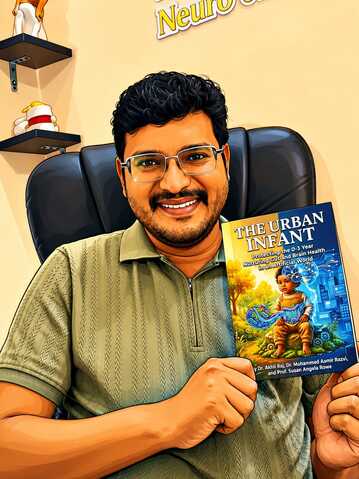
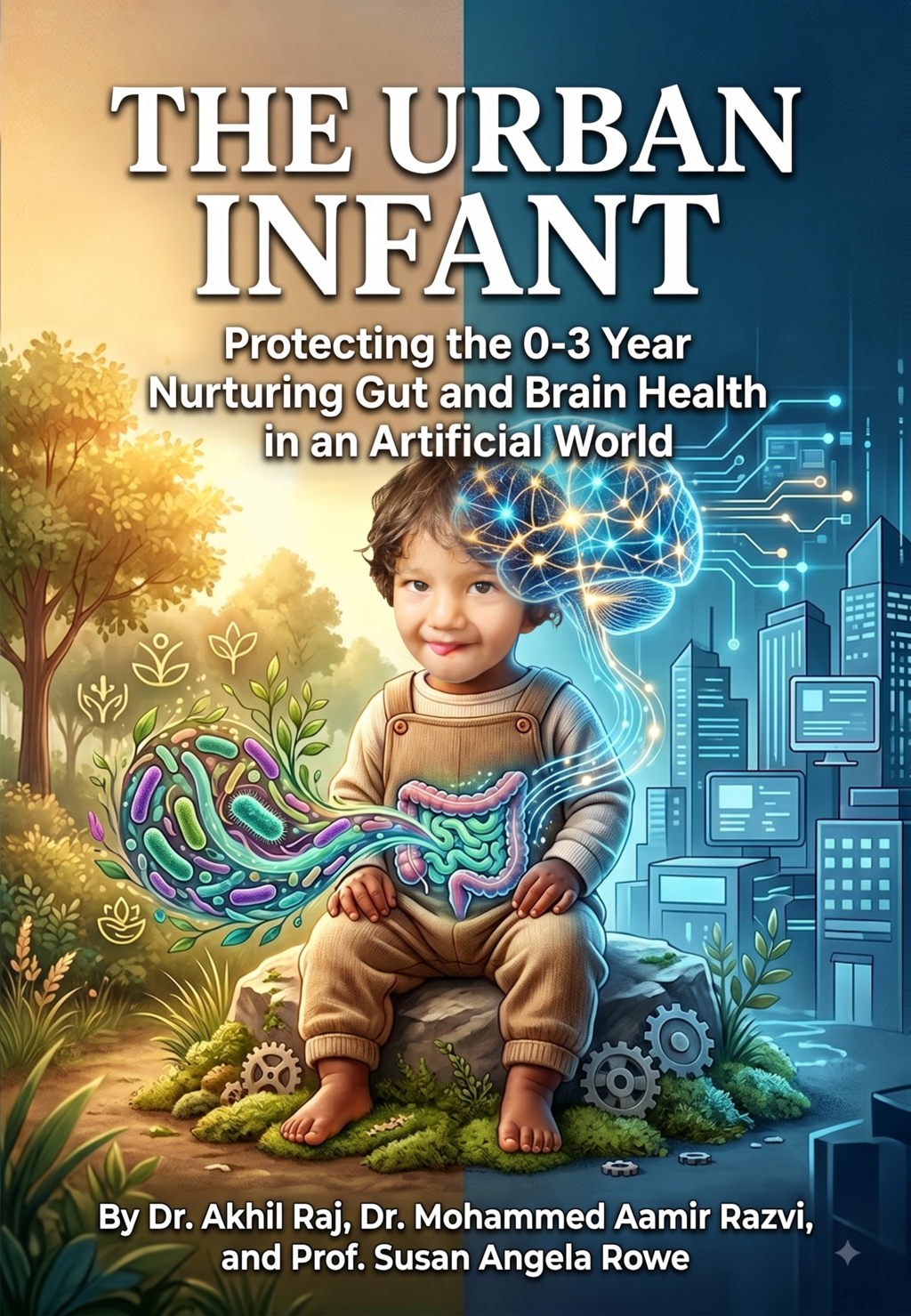
The Urban Infant: Protecting the 0-3 Year — Nurturing Gut and Brain Health in an Artificial World

The Urban Infant: Protecting the 0-3 Year — Nurturing Gut and Brain Health in an Artificial World, co-authored by Dr. Akhil Raj, Dr. Mohammed Aamir Razvi, and Prof. Susan Angela Rowe, exposes the silent health crisis facing children raised in modern city environments.   


The book reveals how the critical first 1,000 days of an infant's life—the foundational window for immune, microbiome, and neurological development—are being disrupted by a "biological desert" of sterile indoor living, hidden dietary sugars, and invisible environmental toxins like heavy metals and pesticides. This artificial lifestyle leads to profound sensory starvation and gut dysbiosis, driving skyrocketing rates of severe colic, chronic eczema, allergies, and neurodevelopmental delays.   


Rather than promoting fear, the authors provide a highly actionable, scientifically proven roadmap to "rewild" the urban child. This empowering guide equips parents with practical strategies to cure "Four Walls Syndrome" through indoor sensory diets and the "muddy mandate," detoxify the nursery from chemical hazards, and rebuild the gut-brain axis using targeted probiotics, healthy fats, natural sunlight, and the biological healing power of human connection.   

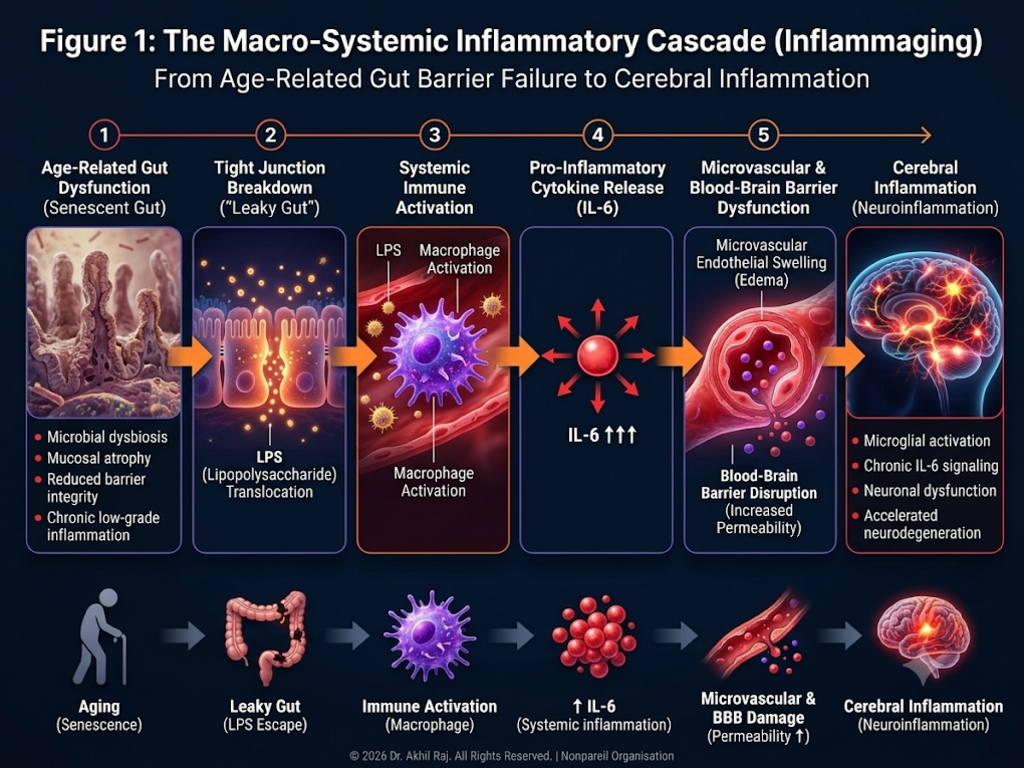
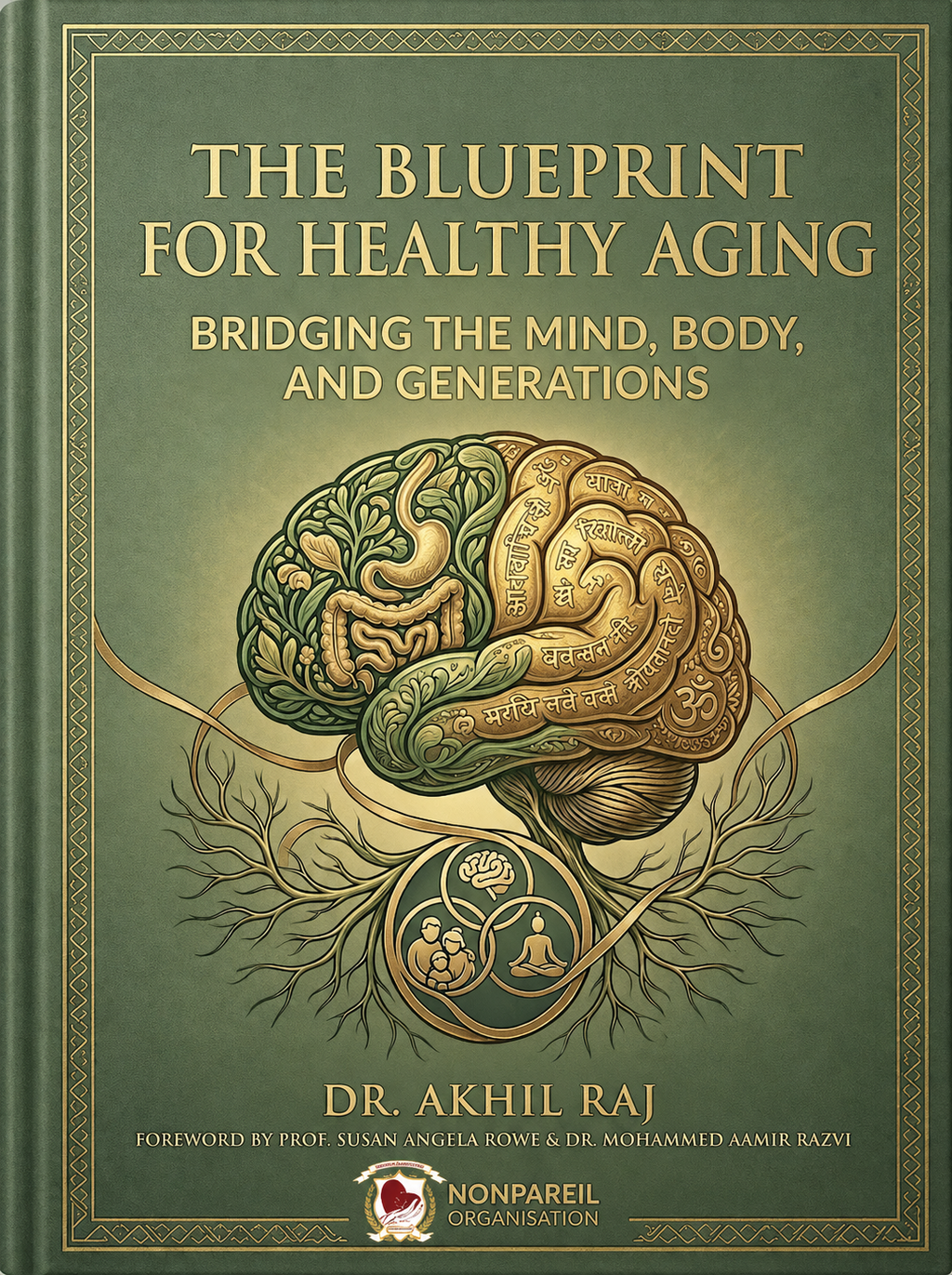
The Blueprint for Healthy Aging: Bridging the Mind, Body, and Generations

The Blueprint for Healthy Aging: Bridging the Mind, Body, and Generations explores the silent crisis facing modern elders as they navigate the isolating realities of rapid digital acceleration and urban disconnection. Co-authored by Dr. Akhil Raj, Prof. Susan Angela Rowe, and Dr. Mohammed Aamir Razvi, this comprehensive guide dismantles the myth that severe cognitive decline is an inevitable part of growing older.   
The book shifts the focus from traditional symptom management to identifying the true biological root causes of neurodegeneration: a disrupted Gut-Brain-Immune Axis, systemic inflammation, heavy metal neurotoxicity, and a cellular energy (ATP) crisis driven by modern nutritional deficiencies. To combat this decline, the authors provide a multidisciplinary roadmap that integrates targeted cellular nutrition to stabilize neuroplasticity, evidence-based psychiatric nursing frameworks to empower overwhelmed family caregivers, and ancient Ayurvedic and Yogic practices to restore physiological balance. Ultimately, the text serves as a powerful call to action to re-forge the vital symbiosis between the energy of the youth and the wisdom of the old, ensuring the golden years are lived with dignity, resilience, and profound purpose.   

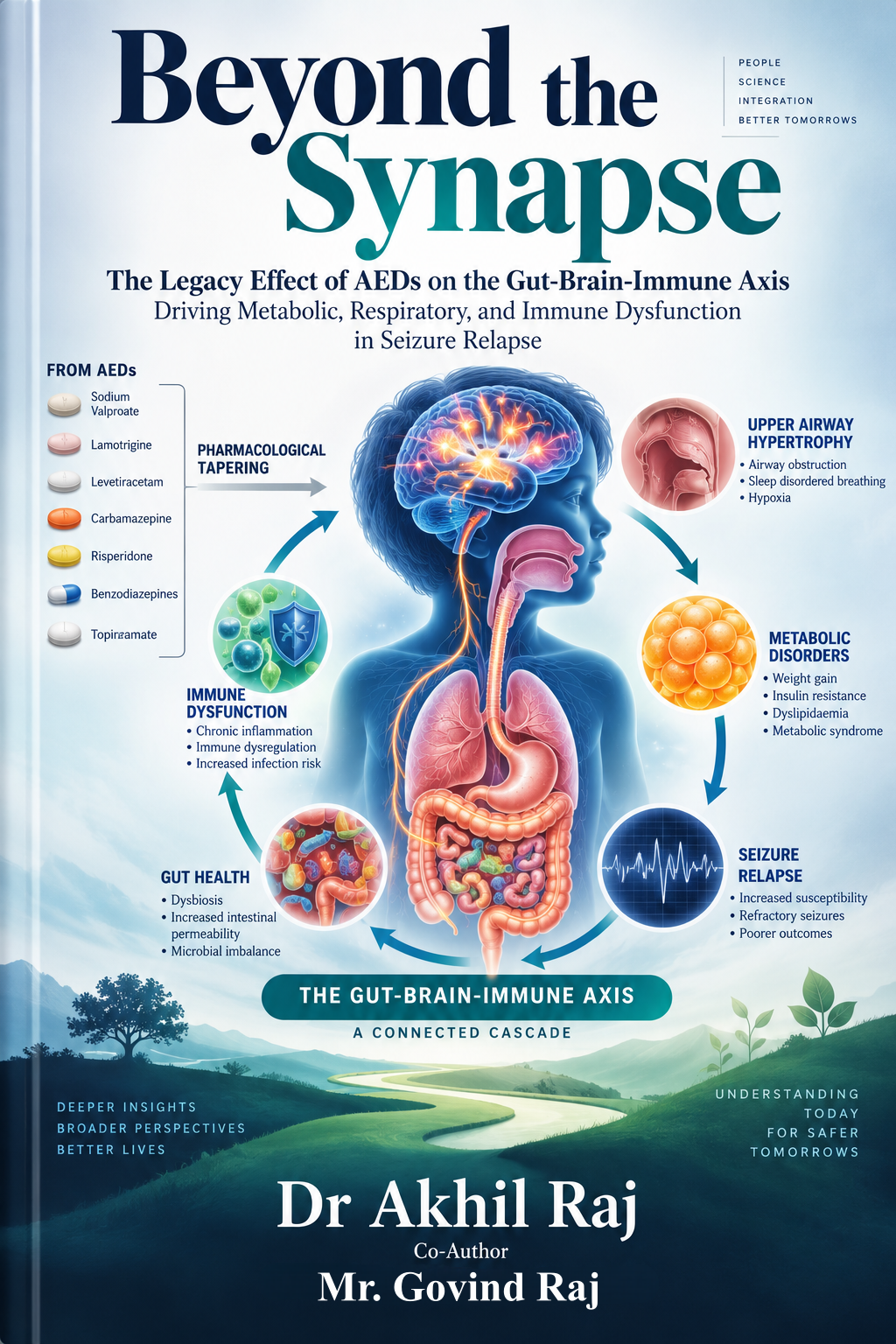
Beyond the Synapse

Beyond the Synapse: The Legacy Effect of AEDs on the Gut-Brain-Immune Axis Driving Metabolic, Respiratory, and Immune Dysfunction in Seizure Relapse, authored by Dr. Akhil Raj and co-authored by Govind Raj, challenges the conventional neurological paradigm that treats seizures merely as isolated electrical storms. The book meticulously investigates the "Legacy Effect" of long-term anti-epileptic drug (AED) and psychotropic use, revealing how these medications leave profound epigenetic, metabolic, and microbiome footprints long after their chemical half-lives expire. 
 
The text exposes why traditional, mathematically driven medication tapering often fails, demonstrating that withdrawal triggers a violent systemic cascade—spanning from gut-immune collapse and metabolic whiplash to nocturnal hypoxia and catastrophic ATP starvation. Rather than responding to relapse by reinstating synthetic sedation, this book provides a revolutionary, actionable roadmap for true physiological resilience. It equips clinicians and patients with strict protocols for pre-taper optimization, such as securing the gut barrier with Saccharomyces boulardii, and introduces a "Microbial Pharmacopeia" that leverages targeted, bioactive fermented foods to organically buffer the brain and achieve lasting seizure control.   

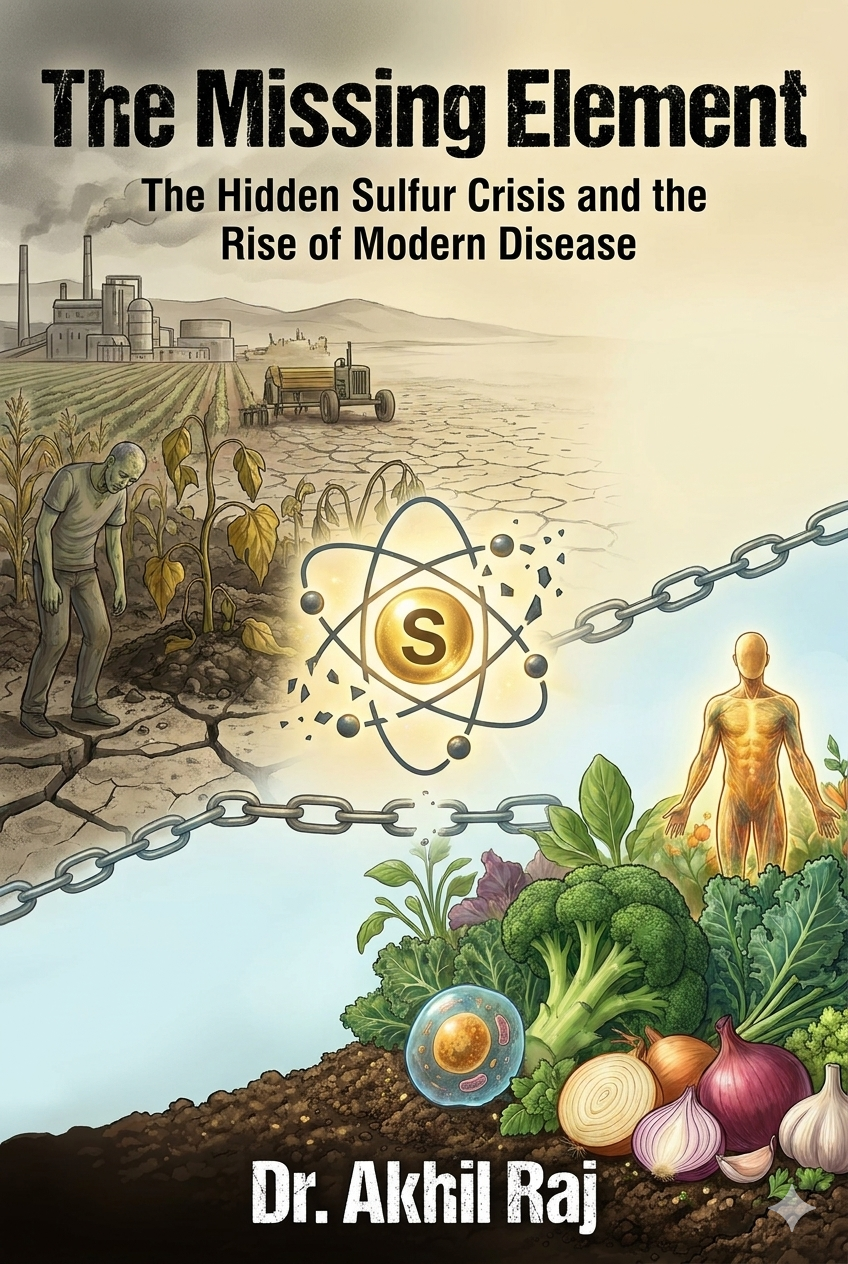
The Missing Element

The Missing Element: The Hidden Sulphur Crisis and the Rise of Modern Disease investigates the defining paradox of modern nutrition: a population that is overfed yet starving on a cellular level. This revealing book exposes how industrial agriculture, driven by "NPK myopia" and chemical disruption, has systematically stripped our soil and food of Sulphur—the "Eighth Element" and the body's unsung cellular architect.   


The text meticulously maps how this hidden nutritional crisis triggers a devastating "Cascade of Deficiency" across the human machine. It connects the absence of Sulphur to weakened structural collagen, metabolic misfires such as insulin resistance, compromised detoxification pathways driven by glutathione depletion, and severe neurodegenerative conditions like Parkinson's and Alzheimer's disease. 
 
Moving from diagnosis to actionable recovery, the book provides a powerful "Antidote" for rewilding our biology. It offers a practical roadmap to restore cellular health through dietary kitchen alchemy, targeted replenishment using MSM and NAC, and a vital return to regenerative agriculture, proving that the ultimate healing of the human cell begins with healing the soil.   

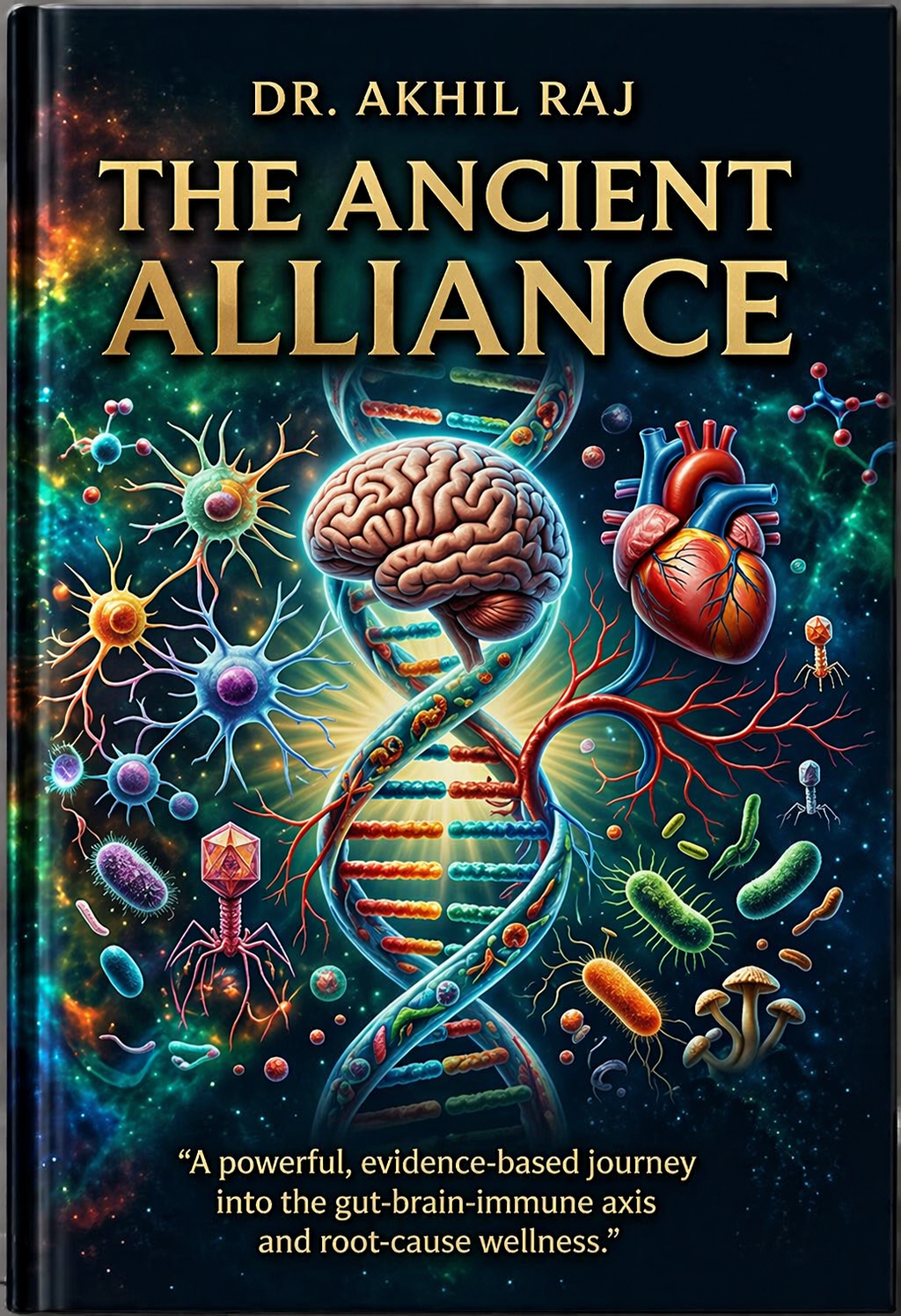
The Ancient Alliance

The Ancient Alliance: How Our Microbial "Second Genome" Shapes Human Health, Immunity, and Evolution by Dr. Akhil Raj shatters the illusion that humans are solitary individuals, revealing instead that we are complex superorganisms composed of 57% microbial cells.

The book explores how the modern medical revolution—characterized by broad-spectrum antibiotics, hyper-sterile environments, and highly processed diets—unwittingly ignited an "Antimicrobial Fallout" that decimated our ancient microbial partners
 
This generational loss of our microscopic allies is directly linked to the explosive modern rise in autoimmune diseases, severe allergies, and neurodevelopmental challenges
. Rather than ending in biological despair, this text provides a powerful, evidence-based roadmap to restoration, offering actionable strategies to "rewild" our inner ecosystems and exploring the cutting-edge future of hologenomic medicine, precision probiotics, and phage therapy.